



Single Panel Repair or Full Cage Rescreen? How to Tell the Difference
A screen enclosure rarely fails all at once. One panel gets a tear from a falling branch, a determined raccoon, or a gust that catches a loose edge, while the other twenty-some panels around it still look fine. The natural question is whether that one panel can be swapped out on its own, or whether fixing it would require a much bigger job. The answer depends less on how the tear occurred and more on the condition of everything that holds that panel in place.
Why a Single Panel Can Usually Be Replaced on Its Own
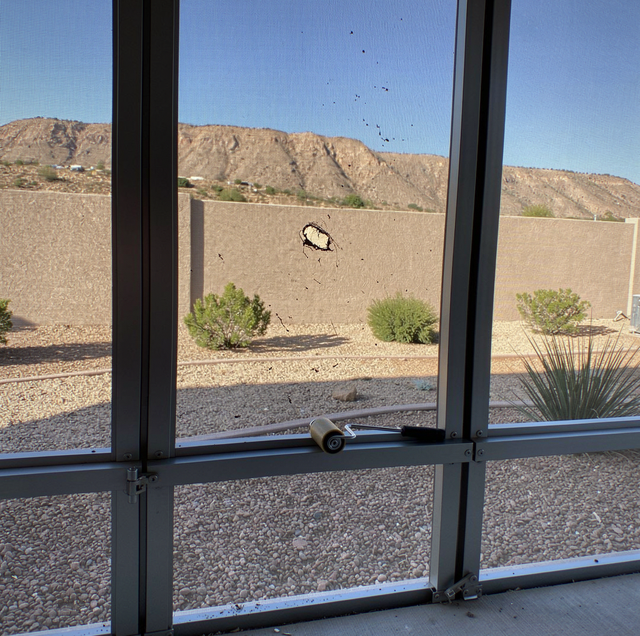
Screen enclosures are built panel by panel, with each section of mesh stretched into its own frame channel and locked in with spline. That construction method is exactly what makes isolated repair possible. A technician can pull the spline on one damaged section, remove the old mesh, cut and stretch a new piece of screen to match, and roll fresh spline into the channel to lock it down. The panels on either side never get touched.
This is the standard approach when a single panel gets damaged, and the surrounding structure is sound. The frame channel holds its shape, the spline groove hasn't worn out, and the aluminum framing isn't flexed or corroded. Under those conditions, one panel goes out, and one panel comes back, without disturbing the rest of the enclosure.
What Actually Decides Panel-by-Panel vs Whole-Cage Work
The deciding factor isn't the size of the tear or how dramatic it looks. It's whether the frame, spline channel, and screen around that panel are still doing their job. A few conditions shift the recommendation from a single swap toward broader rescreening.
Spline and channel condition: The vinyl spline that locks the screen into the frame gets brittle and shrinks with UV exposure, and it's replaced along with the screen on any repair, so a worn-out spline by itself isn't a reason to go bigger. What matters more is the channel it seats into. If the aluminum groove has been widened, gouged, or distorted by repeated re-splining, a new spline won't hold tension the way it should. That kind of channel damage typically shows up across several panels at once, since it results from age and repeated re-splining throughout the enclosure, not from the single event that tore this one panel.
Frame flex or bowing: The screen only stays taut when the surrounding frame maintains a fixed shape. A frame section that's bowed from age, from a prior storm impact, or from years of tension pulling against soft aluminum won't hold a new panel any tighter than it held the old one. A bowed section is usually straightened before a new screen goes in; a section bent badly enough to resist straightening is replaced instead. Skipping that step and installing screen anyway is a short-term patch.
Mesh condition on neighboring panels: UV exposure embrittles screen mesh over time, and it does so unevenly depending on sun exposure across the enclosure. If the panel next to the damaged one is already brittle enough to tear when pressed on, a single-panel repair leaves an obvious weak point right beside the new work. In that case, addressing a wider section, or the whole cage, prevents a repeat visit within a season or two.
Color and mesh match: New screen mesh is noticeably brighter and more opaque than a screen that's spent years in direct sun. A single fresh panel next to a dozen sun-faded ones will look mismatched, even though it's structurally correct. That's a cosmetic tradeoff worth knowing about before choosing between a spot repair and a full-section rescreen.
How Frame, Spline, and Screen Age at Different Rates
An enclosure doesn't age as one uniform object. The panels facing west or south typically take the most direct UV and fade or weaken faster than shaded panels on the north side. Corners and lower panels near sprinklers or downspouts pick up more moisture and are more likely to develop hardware corrosion. A panel near a gate or a pet's regular path takes more physical stress than one in a corner nobody touches.
That uneven aging is why two panels installed on the same day, by the same crew, can be in completely different condition ten or fifteen years later. It's also why a technician evaluating one torn panel has to look past that panel to judge the rest of the cage. A single tear on an otherwise young, well-maintained enclosure is a plain in-and-out swap. The same tear on an enclosure where the spline is dried out across multiple panels, and the mesh has gone chalky, is often a signal that the whole cage is approaching the end of its useful screen life, even if only one panel has actually failed yet.
What Gets Checked Before a Recommendation Is Made
A proper assessment doesn't stop at the torn panel. It typically includes a walk of the full enclosure to check a few specific things: whether the spline in nearby channels still holds firm when pressed, whether the frame at that section sits square or has developed a bow, whether hardware like screws and corner fasteners shows rust bleed or corrosion, and whether the mesh on adjacent panels flexes normally or feels stiff and brittle to the touch.
If storm damage caused the tear, that inspection also looks for anything the storm may have loosened beyond the obvious failure. A gust strong enough to blow out one panel can also stress nearby frame connections, even if those connections haven't visibly failed. Catching that kind of secondary stress during the same visit avoids a second failure turning up a few months later in a spot that looked fine at the time.
Signs the Rest of the Cage Is Catching Up to That One Panel
A few patterns tend to show up when a single-panel repair is really the first sign of a broader issue spreading across the enclosure:
• The mesh on other panels feels stiff, chalky, or cracks slightly when pressed, a step beyond ordinary fading.
• Spline in more than one channel has visibly shrunk away from the frame edge, leaving a gap.
• Corner keys or screws show rust streaks running down the frame.
• The enclosure has had more than one isolated tear repaired in the past couple of years.
• Panels sag or flex more than they used to, even where the screen itself hasn't torn.
None of these on their own means the whole cage needs immediate attention. Together, or combined with a fresh tear, they're a reasonable prompt to have the full enclosure looked at as one job.
When a Targeted Repair Is the Right Call
None of this is meant to suggest that single-panel repair is a rare exception. On enclosures under roughly ten years old with reasonably even wear, it's the routine outcome. A tear from an isolated event, like a branch strike or a pet incident, on an otherwise sound cage gets fixed exactly where it happened. The broader assessment exists to catch the cases where that one tear is a symptom of age spreading across the structure, not to talk every repair into a bigger job.
What a Full Cage Rescreen Actually Involves
A whole-cage rescreen uses the same process as a single-panel repair, but applies it across every panel in the enclosure instead of just one. The crew works section by section: pulling the old spline, stripping out the failed mesh, checking each frame channel and spline groove along the way, and correcting any bowed or corroded framing before the new screen goes in. Each panel is cut to size, stretched taut with a roller, and locked into the channel with fresh spline; the same steps used for a single panel are repeated around the entire cage.
The main difference from a single-panel job is scope and sequencing, not technique. A full rescreen typically starts at one corner and works around the enclosure so the crew isn't backtracking across finished sections, and it's a natural point to address hardware issues, corroded screws, loose corner keys, and sagging door hinges while the panels are already open. Because every panel gets new mesh and spline on the same day, the finished enclosure looks uniform rather than a patchwork of repair ages, and the whole cage starts its service life clock together. A smaller lanai cage with a dozen panels can usually be finished in a single day; a large two-story pool enclosure with unusual angles or many panels can take several days.
Frequently Asked Questions
How long does a properly done single-panel repair actually last?
With intense year-round UV and humidity working against it, a repaired panel with a sound frame and channel underneath it typically holds up eight to twelve years before the mesh itself starts to embrittle. Panels facing west or south tend to land on the shorter end of that range, while shaded or covered panels can run longer. That estimate assumes the frame and spline were sound at the time of the repair; a panel repaired over a compromised channel or frame can fail well before the mesh itself would have worn out.
How long does it take a new panel to fade in and match the rest of the cage?
New mesh usually loses its initial brightness and starts blending in with older panels within the first year or two in Florida sun. Full color match to a screen that's been up for a decade, or more, takes longer, since fading slows down considerably once mesh has lost its initial sheen. There's no way to speed that process along; keeping older matching stock on hand isn't standard practice, so a freshly repaired panel is expected to stand out for a while before it settles in.
Does the type of mesh matter when replacing just one panel?
Yes. Mixing mesh types within a single enclosure, such as a fine no-see-um weave next to standard mesh, is possible but worth planning for, since it affects both appearance and the airflow that section receives compared to the rest of the cage.
Why do some panels feel loose or start to sag before the mesh actually tears?
Screen mesh loses tension gradually as the spline holding it relaxes and the aluminum channel wears down from years of vibration and thermal cycling. A panel can feel noticeably looser than its neighbors for a year or two before anything rips, especially on panels that take more wind or physical contact. That sag is worth flagging during a repair visit, even on a panel that isn't currently torn, since it often points to the same channel and spline aging that will produce the next failure.
Is it normal for a screen door panel to be treated differently than a wall panel?
Yes. Door panels see far more physical stress from opening, closing, and hardware wear than a stationary wall panel, so a torn screen door panel is evaluated with the hinges, latch, and frame alignment in mind, along with the mesh itself.
Should a single-panel repair include checking the hurricane cables or bracing nearby?
If the enclosure has hurricane cables, it's reasonable to have them checked during the same visit, particularly if the panel damage was caused by wind. Cables and bracing are separate from the screen itself but share the same structural system.
Schedule a screen enclosure assessment — get a clear read on whether a single panel repair or a broader rescreen fits your cage. Lanai Guy serves Brandon, Riverview, and the greater Tampa area. Call (813) 316-5971.