
A screen door that used to swing shut with one push and a soft click now needs a shove, a lift, or a second try before the latch catches. Nothing about it looks obviously broken. The screen isn't torn, the frame still looks like a frame, and yet closing it has turned into a small daily negotiation. That gap between "looks fine" and "won't close right" is where most homeowners get stuck, because a door can fail to close properly for several unrelated reasons, and the fix for one does nothing for the others. Before reaching for a screwdriver, it helps to know what's actually happening where the door meets its frame.
Frame Shifting Or Settling Over Time
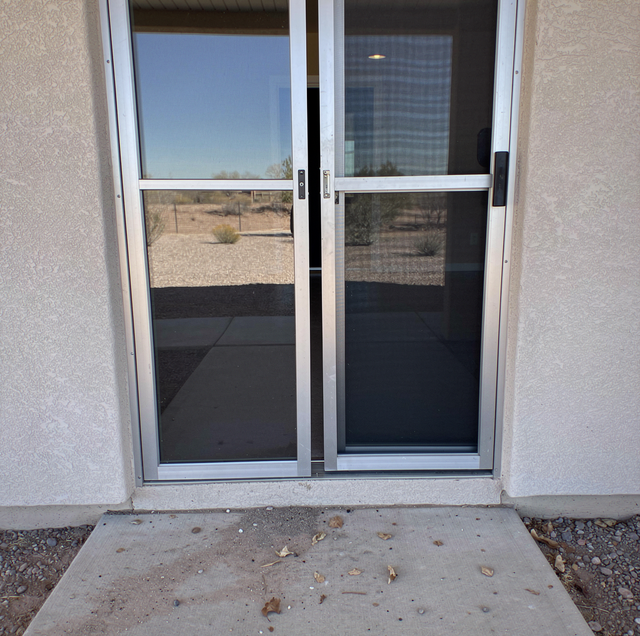
A screen door only closes flush when the frame around it is still square, meaning each corner sits at a true right angle and the opening hasn't twisted out of shape. Lanai and pool cage structures settle gradually as the ground beneath the footers shifts, fasteners work loose from years of vibration, and the aluminum frame flexes under repeated wind loads. None of that happens fast enough to notice day to day, but the effect shows up exactly where you'd expect: the door that used to close evenly now catches on one side while leaving a gap on the other. A frame that has racked even slightly changes the geometry the door closes into, so the latch and strike plate that lined up a few years ago no longer meet at the same point.
The tell for this cause is an uneven gap. Watch the space between the door and the frame as it swings shut. If that gap narrows at the top while staying wide at the bottom, or the reverse, the frame has shifted rather than the door itself failing.
Worn Or Bent Hinges
Hinges carry the full weight of the door every time it opens and closes, thousands of cycles a year, and that repeated load eventually wears the pin, stretches the mounting screws' grip, or bends the hinge leaf itself. A worn hinge lets the door drop slightly at the outer edge, which is why a door with hinge trouble often drags along the bottom of the frame or the threshold right before it reaches the closed position. The door isn't sagging in the sense of a structural failure; it's hanging a fraction of an inch lower than it did when the hinges were tight and true.
Corrosion speeds this along. Hinge pins are exposed to moisture and salt-laden air, and once rust forms on the pin, the hinge stops swinging smoothly and starts binding at certain points in its arc. A door that closes fine for most of its swing and then catches right at the end is often telling you the hinge closest to the latch side has reached that stage.
Roller Or Track Misalignment
Sliding screen doors depend on a set of small rollers riding inside a track, and that track only works when it stays level and the rollers stay round and properly seated. A roller that's worn flat on one side, cracked, or missing part of its wheel no longer rolls; it drags, and a dragging door needs extra force to reach the latch, if it reaches it at all. Track misalignment produces a similar symptom from the opposite direction: a track that's bowed, loosened from its mounting screws, or shifted slightly out of level makes even a good roller ride unevenly.
The distinguishing detail is where the resistance happens. Hinge and frame problems tend to show up as a door that won't sit flush once closed. Roller and track problems show up as a door that's hard to move at all, sticking or jumping partway through its slide well before it reaches the latch.
Humidity And Seasonal Frame Swelling
Materials expand and contract with moisture and temperature, and a screen door frame is no exception. Wood-core doors absorb ambient humidity directly, and the swelling is often uneven because one face may receive more sun and airflow than the other, causing the frame to swell slightly out of true rather than uniformly. Aluminum frames don't absorb moisture the same way, but the screws and corner keys holding the frame together can loosen as temperature swings cause repeated tiny movements between materials that expand at different rates.
A Warped Or Sagging Door From Age
Every door has a service life, and toward the end of it, the frame can develop a permanent twist that no longer reverses with the weather. This differs from seasonal swelling in one key way: it doesn't come and go. A warped door holds its distortion in dry and wet weather alike, because the material itself, whether a wood-core panel that's absorbed and released moisture too many times or an aluminum frame flexed past its ability to spring back, has taken a permanent set.
A door in this state usually shows more than one symptom at once: it won't sit flush, it drags along its swing, and the latch no longer lines up with the strike plate no matter how it's adjusted. Where a single hinge or roller produces one clean symptom, a warped door produces a combination that won't resolve with any one fix, since the frame's actual shape has changed.
Debris Or Buildup In The Track
Sometimes the cause has nothing to do with the door's structure at all. Sand, grit, dead leaves, and small twigs collect in a track over time, and even a thin layer is enough to lift a roller slightly off its path or block a door from sliding the last inch into its closed position. This is the easiest cause to rule out, and the easiest one people overlook, since a dragging or non-latching door gets blamed on the hinges or frame long before anyone checks whether the track is simply full of grit.
A quick visual check settles this fast. Buildup accumulates fastest along the bottom track of sliding doors and around the lower corners of hinged ones, exactly where wind blows loose material against the enclosure.
How To Diagnose Which Cause Is Affecting Your Door
Working through these causes in order, rather than guessing at one, saves wasted effort. Start with the gap: an uneven gap that widens or narrows as the door swings points toward a shifted frame. Next, note where the resistance occurs: dragging near the bottom or at the very end of the swing points to a hinge issue, while dragging or sticking throughout the whole slide points to the rollers or track. Then factor in timing: symptoms that come and go with the weather point toward swelling, while symptoms that stay constant point toward wear, a warped frame, or blocked debris.
Combining two or three of these observations usually narrows things down to one likely cause, or confirms that more than one issue is layered together, which is useful to know before deciding what kind of fix the door needs.
Simple Checks You Can Do Before Calling Anyone
A few minutes of hands-on checking, done without forcing anything, tells you more than watching the door swing from a distance:
• Run a finger along the full length of the track and feel for grit, sand, or debris, then wipe it clean and try the door again.
• Grip the door at the latch edge and gently lift while it's closed. Noticeable movement at the hinges suggests worn pins or loose mounting screws.
• Check the strike plate against the latch with the door held flush. If the latch tongue sits above, below, or to one side of the strike plate opening, that gap tells you roughly how far out of alignment things are.
• Open the door fully and look down its length from the hinge side toward the latch side. A visible curve or twist along that sightline points toward a warped panel rather than a simple hardware fix.
• Note whether the problem is worse on humid days or after a stretch of rain, which points toward swelling rather than a permanent mechanical issue.
None of these checks require removing hardware or forcing a stuck door. If a check reveals something beyond loose screws or a dirty track, that's the point to stop and get a closer look from someone who works on these doors regularly.
When It Needs A Professional Adjustment Vs. A Full Door Replacement
A single, isolated symptom with a clear cause is usually an adjustment, not a replacement. A hinge that's loose but not corroded through, a track that just needs cleaning and a minor re-leveling, or a strike plate that needs to move a small distance to meet a slightly off latch- these are repairs that restore normal closing without touching the door itself. They're quick because the frame and panel are still sound; only the hardware or its positioning needs correcting.
Replacement becomes the more sensible path once the frame has taken a permanent warp that doesn't reverse with drier weather, once multiple pieces of hardware are failing at once in a way that points to age rather than one bad part, or once a frame has been forced closed for so long that the corner joints have started pulling apart. A door that's had the same adjustment made more than once in a short stretch usually tells you the frame has moved past the point where hardware fixes hold. Continuing to adjust the same hinge or latch position at that point becomes a repeating cost rather than a lasting fix, while a full door replacement addresses the actual shape problem instead of chasing its symptoms one at a time.
Frequently Asked Questions
Why does my lanai screen door suddenly not latch anymore?
The most common reason is a shift in alignment between the latch and the strike plate, often caused by a slightly settled frame, a loosened hinge, or a door that's swollen from humidity. Since the latch mechanism itself rarely fails outright, the fix is almost always about realigning the parts around it.
My screen door drags along the bottom. What does that mean?
Dragging along the bottom usually points to a hinge that's worn or loosening, letting the door hang slightly lower on its outer edge than before. On sliding doors, the same symptom often comes from a worn or dirty roller rather than the hinge.
Is it normal for a screen door to close differently depending on the weather?
Yes, to a point. Frames absorb ambient moisture and can swell slightly during humid stretches, which is why a door that closes fine on a dry day sometimes drags on a rainy one. If that pattern reverses once the weather clears, it's a seasonal effect rather than a mechanical failure.
Can I adjust the strike plate myself to fix a door that won't latch?
In many cases, yes, a small adjustment to its position closes a minor gap between it and the latch. It becomes a job for someone with more experience once the gap is large, the frame is visibly out of square, or the adjustment doesn't hold for long before the problem returns.
How do I know if my door frame is actually warped versus just misaligned?
Misalignment tends to be a single, consistent gap that responds to an adjustment to a hinge or strike plate. A warped frame usually shows a visible curve when you sight down the length of the door and produces more than one symptom at once, such as dragging, gapping, and latch trouble together, that doesn't resolve with any single adjustment.
Should I try to force a screen door shut if it's sticking?
No. Forcing a door that's resisting usually bends hardware further out of alignment or stresses a frame joint already under strain, turning a manageable adjustment into a bigger repair. Check the track, hinges, and strike plate first, and get a second opinion before applying more force than the door requires.
Get your screen door's alignment checked before a small adjustment turns into a bigger repair — a hands-on look tells you exactly which part is out of place. Lanai Guy serves Brandon, Riverview, and the greater Tampa area. Call (813) 316-5971.
